Choosing an arc welding machine by its maximum amperage alone can leave you with nuisance thermal cut-outs, unstable starts, undersized cables or a power source that cannot run the electrodes your repair requires. By the end, you will be able to match the welding process, polarity, electrode, duty cycle and input supply to the job before you buy or mobilise equipment.
Key takeaways
- Match electrode type and polarity to the base metal and welding process.
- Check duty cycle at the current you will actually use.
- Confirm the machine matches your site’s supply voltage and phase.
- Specify electrode diameter, weld position and joint thickness before buying.
How an Arc Welding Machine Creates a Usable Weld
An arc welding machine converts electrical power into controlled current. The current travels through the electrode, jumps the gap as an arc, enters the workpiece, and returns through the work clamp and welding lead. Arc heat melts the electrode and parent metal; the cooling pool becomes the finished weld.
Shielding must keep oxygen and nitrogen away from that molten pool. SMAW uses a flux-coated electrode: its coating produces shielding gas and a slag layer, making it practical outdoors where wind would disperse gas. GMAW, also called MIG or MAG, feeds a continuous wire and uses shielding gas, giving fast deposition for indoor fabrication.
GTAW, or TIG, uses a separate tungsten electrode and shielding gas for precise, clean welds on thin sections, stainless steel and aluminium, but it demands slower travel and better operator control. Submerged arc welding feeds wire beneath granular flux, supporting deep, long, high-deposition welds in flat or horizontal production joints.
| Process | How the weld is protected | Best fit |
|---|---|---|
| SMAW (stick) | Flux coating forms gas and slag | Outdoor repair, structural work, changing positions |
| GMAW (MIG/MAG) | Continuous wire plus shielding gas | Indoor fabrication and faster repetitive welds |
| GTAW (TIG) | Tungsten electrode plus shielding gas | Thin material, visible welds and difficult alloys |
| Submerged arc | Granular flux covers the arc | Long, straight welds on heavy plate |
A draft can ruin MIG or TIG shielding; screens and correct gas flow matter, while excessive flow creates turbulence. Long, undersized leads cause voltage drop and an unstable arc, so size the complete electrode-and-return circuit for the welding current.
Match the Process and Polarity to the Job
Choose the process by material, thickness, joint position and exposure to drafts—not by amperage alone. SMAW stick welding handles outdoor repairs and awkward positions because the flux-coated electrode supplies shielding.
MIG welding suits clean, thin-to-medium steel, aluminium and stainless work indoors; MAG welding is the faster choice for carbon and low-alloy steel with active shielding gas. TIG welding gives the cleanest control on thin stainless steel, aluminium and precision joints, but demands clean surfaces and a protected work area.
| Process | Best fit | Limits |
|---|---|---|
| SMAW stick welding | Repair steel outdoors, thick sections, all positions | Slower, slag removal, frequent electrode changes |
| MIG welding | Aluminium or stainless with inert gas; repetitive indoor work | Drafts disturb shielding; dirty steel causes porosity |
| MAG welding | Carbon-steel fabrication and medium-thickness production | Needs gas protection and clean, draft-controlled conditions |
| TIG welding | Thin material, root passes and visible precision welds | Slow deposition; poor choice for long heavy welds |
| Submerged arc welding | Long, straight, flat or horizontal welds on thick steel | Flux and equipment restrict position and field access |
- Use SMAW for a wind-exposed repair or a joint that forces vertical or overhead welding. Use MIG welding or MAG welding when production speed and continuous wire matter more than portability.
- Match polarity to the consumable and material. E6010 is normally DCEP; many E7018 electrodes permit AC or DCEP. TIG welding commonly uses DCEN on steel and AC on aluminium.
- Shield gas processes with screens and controlled flow. More gas is not always safer: turbulence can pull air into the arc. Choose submerged arc welding only when the joint is long, accessible and supported by flux recovery or removal.
Size the Power Source by Duty Cycle and Site Supply
A 300 A arc at 30 V produces about 9 kW of welding power before inverter losses. The supply must deliver more than 9 kW after accounting for efficiency, power factor and voltage, so a 300 A nameplate does not prove the site can run the machine.
Duty cycle is tied to a stated output and a 10-minute test period under IEC 60974-1. A 60% duty cycle means six minutes of welding followed by four minutes of cooling at that rated load—not six hours of continuous work. The percentage rises when you reduce current.
Request these figures together:
- Rated current and duty cycle at your intended E7018 operating current
- Maximum input current, recommended breaker and conductor size
- Welding cable size for the current and total lead length
- Generator capacity with welding and auxiliary loads included
A machine advertised at 250 or 300 A can deliver that output only briefly, while its practical sustained output may be closer to 150–200 A. E7018 production exposes weak output stability and arc-start performance sooner than intermittent light-electrode work.
Measure total welding-lead length as electrode lead plus work-return lead. Long or undersized cables cause voltage drop, heating and an unstable arc. For engine-driven equipment, the welding rating and auxiliary generator rating are separate: running tools from the receptacles can overload the generator section while the arc remains within its duty cycle.
Confirm the supply can support the required AC welding current or DC electrode positive output without nuisance trips or excessive voltage sag.
Choose Electrodes and Settings That Control Weld Quality
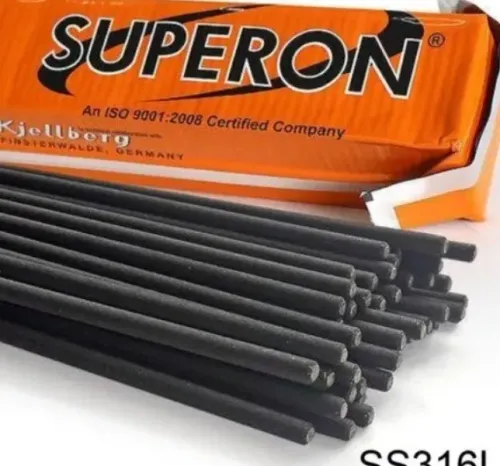
Prevent weld defects by matching electrode type, polarity and arc control to the joint. The electrode classification and manufacturer’s data sheet decide permissible current and polarity; do not treat AC, DCEP or DCEN as interchangeable machine settings.
| Electrode | Polarity and use | Technique that protects quality |
|---|---|---|
| E6013 electrode | AC or DCEP when approved | Use a short arc and steady travel to prevent undercut, excessive spatter and lack of fusion |
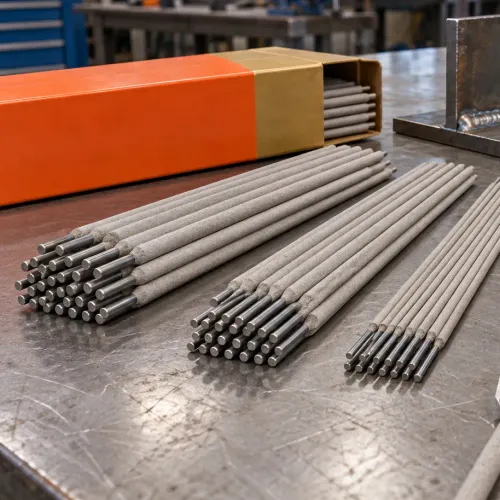
| E7018 electrode | AC or DCEP when approved | Keep the rod dry, maintain a tight arc and remove slag between passes to prevent porosity and slag inclusion |
| E6010 | Normally DCEP | Use its digging arc for open roots, with controlled travel and complete sidewall fusion |
Set hot-start only high enough for reliable ignition; too much creates spatter and undercut. Arc-force adds current when the arc shortens, but excessive arc-force makes the arc harsh and increases spatter. Anti-stick limits current after the electrode freezes, so it protects the machine and rod rather than correcting poor technique.
Keep the arc length close to the electrode core diameter. A long arc admits air, causing porosity, while a short, dragging arc can trap slag and reduce fusion. Hold a consistent travel angle, pause briefly at each sidewall, and chip and wire-brush every slag layer before the next pass.
Treat low-hydrogen electrode storage as a welding control: keep E7018 rods in a heated holding oven after opening, following the manufacturer’s temperature and reconditioning instructions. Insufficient drying raises hydrogen-cracking risk in thick, restrained repairs.
Turn the Job Requirements into a Purchase Checklist
A 300 A arc at 30 V represents about 9 kW of welding power before inverter losses, so welding machine selection starts with the site supply, not the front-panel output. Check the nameplate input current, breaker rating, conductor size and acceptable input-voltage range together.
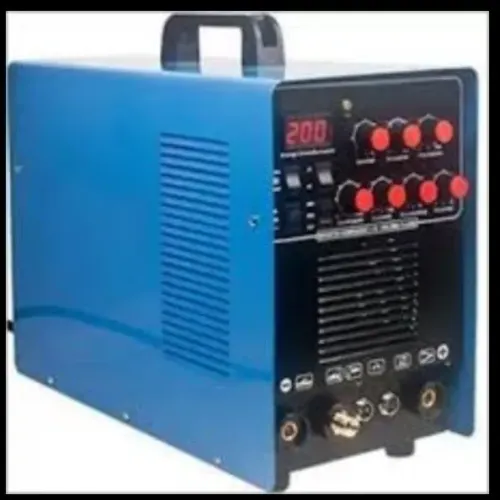
1. Confirm the output range, duty cycle at the stated ambient temperature, AC/DC capability and polarity options. If aluminium TIG repair is expected, require AC, balance and frequency controls, plus the specified high-frequency start.
2. Record the open-circuit voltage and ask how VRD behaves with your electrodes. A high open-circuit voltage helps difficult arc starts, while VRD reduces no-load shock risk; incompatible VRD settings can make certain electrodes difficult to strike.
3. Test the hot-start, arc-force anti-stick controls separately. Hot-start assists ignition, arc-force responds to a shortened arc and anti-stick limits current after freezing; excessive settings cause spatter, undercut or sticking.
4. Specify the total welding-lead length: electrode lead plus work-return lead. Require cable sizing for that circuit length and current, because undersized or long leads cause voltage drop, heating and arc instability.
5. For generator work, obtain the manufacturer’s minimum generator size, voltage regulation, frequency tolerance and surge limits. Do not approve a machine from generator wattage alone.
Impex Engineering & Equipments Co can help compare machine types against these written requirements, rather than treating nominal amperage as the whole decision.
Related products
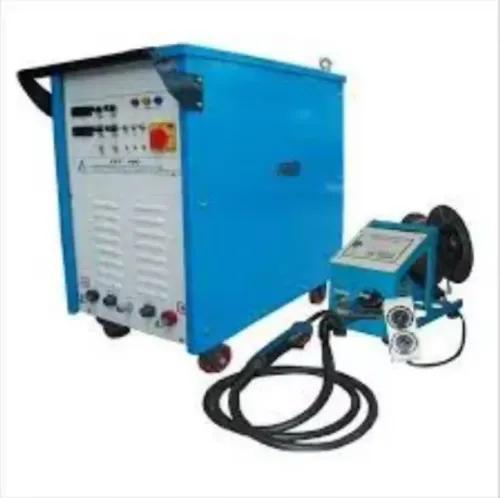
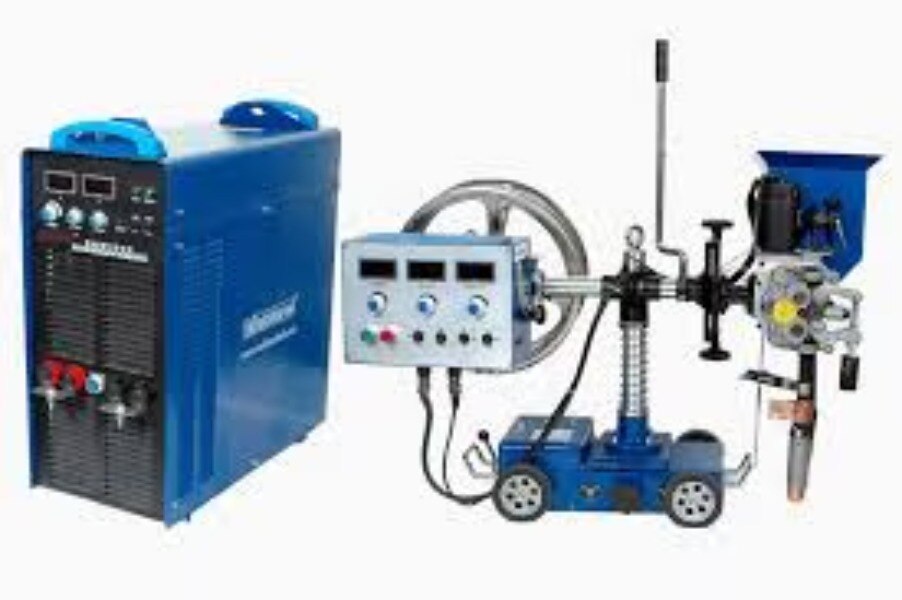
 | Welding Machines Submerged Arc Welding Price And Quantity Minimum Order Quantity 1Price 1 INR/Unit Submerged Arc Welding Trade Information Supply Ability 1 Per DayDelivery Time 1 Week... |
 | Welding Machines Mig-Mag Welding Machines Price And Quantity Price 1 INR/Unit Minimum Order Quantity 1 Mig-Mag Welding Machines Trade Information Supply Ability 1 Per Day Delivery Time 1 Week... |
Frequently asked questions
How does an arc welding machine create a weld?
It sends controlled current through the electrode and arc into the workpiece, melting the electrode and parent metal into a cooling weld pool.
Why do welding process and polarity matter?
They control arc behaviour, heat distribution, penetration and electrode compatibility, so choose them from the job material and electrode specification.
How should you size an arc welding machine?
Check its output range, rated duty cycle at your working current, input voltage, phase and available site supply before purchase.
What should you specify when selecting electrodes?
Specify electrode classification, diameter, coating, required polarity, base-metal thickness and welding position so the electrode suits the joint.
Related products
 | Welding Machines Thyristor Based Welding Machine Price And Quantity Price 1 INR/UnitMinimum Order Quantity 1 Thyristor Based Welding Machine Trade Information Supply Ability 1 Per DayDelivery Time 1... |
 | Welding Machines Automatic Mig Welder Price And Quantity Minimum Order Quantity 1Price 1 INR/Unit Automatic Mig Welder Trade Information Supply Ability 1 Per DayDelivery Time 1 Week... |
 | Welding Machines Tig Welding Machines Price And Quantity Price 1 INR/UnitMinimum Order Quantity 1 Tig Welding Machines Trade Information Supply Ability 1 Per DayDelivery Time 1 Week... |