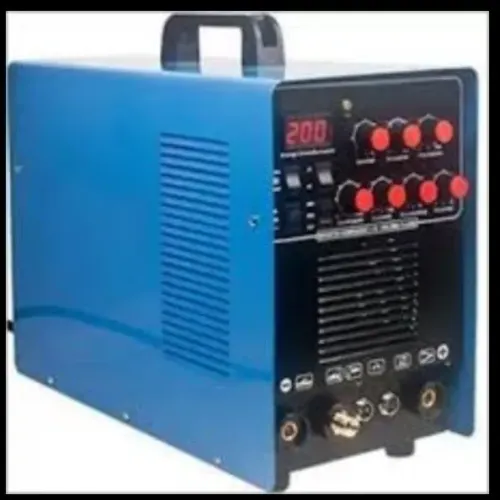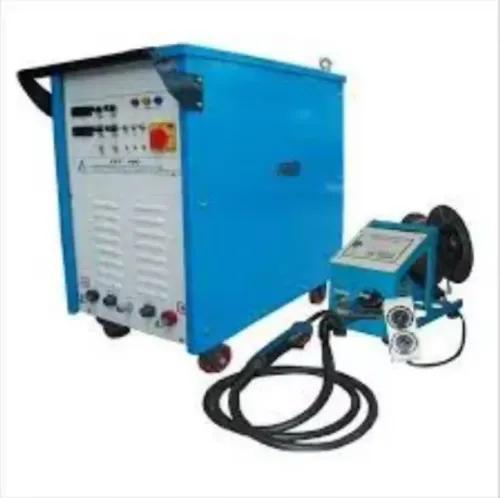
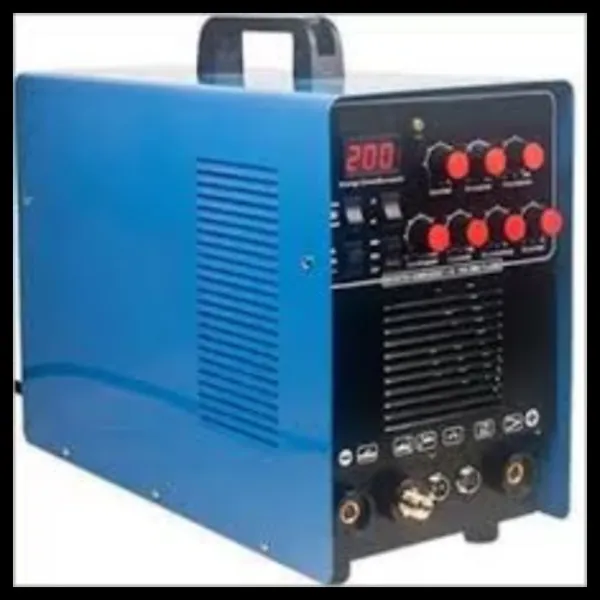
When weld appearance, precision, and strength are equally important, a TIG Welding Machine is often the preferred choice. Industries working with stainless steel, aluminium, aerospace components, food-grade equipment, and precision engineering rely on TIG welding because it produces clean, accurate welds with excellent control.
Businesses in Mumbai involved in high-quality fabrication frequently choose this process where finishing standards cannot be compromised.
What Makes TIG Welding Different
Unlike other welding methods, TIG welding uses a non-consumable tungsten electrode while filler material is added separately when required.
This allows operators to maintain exceptional control over the weld pool, making the process ideal for intricate fabrication.
Typical applications include:
- Stainless steel equipment
- Aluminium fabrication
- Pharmaceutical equipment
- Food processing machinery
- Pressure vessels
- Decorative metal fabrication
Advantages of TIG Welding
The process delivers several performance benefits.
These include:
- High weld precision
- Excellent surface finish
- Strong weld integrity
- Minimal spatter
- Better control over heat input
- Suitable for thin materials
These qualities are especially valuable where appearance and structural quality are equally important.
Selecting the Right Equipment
Different production environments require different machine capabilities.
Before purchasing, evaluate:
Output Range
Ensure the amperage matches expected material thickness.
AC and DC Capability
Certain metals require alternating current while others perform better with direct current.
Cooling System
High-production environments often benefit from advanced cooling options.
Ease of Operation
Digital controls and programmable settings can improve repeatability for experienced operators.
Operator Skill Matters
Although TIG welding offers excellent results, achieving consistent quality depends heavily on operator technique.
Proper training helps improve:
- Arc control
- Heat management
- Filler rod placement
- Weld consistency
- Production efficiency
Investing in operator development often delivers significant productivity improvements.
Maintenance Practices
Maintaining equipment properly supports consistent welding performance.
Recommended practices include:
- Replace worn tungsten electrodes.
- Keep shielding gas connections secure.
- Inspect cables frequently.
- Clean torch components regularly.
- Store consumables correctly.
Routine maintenance reduces operational disruptions.
Industries That Frequently Use TIG Welding
TIG welding is commonly found in:
- Precision engineering
- Chemical processing
- Pharmaceutical manufacturing
- Food processing
- Aerospace components
- Architectural fabrication
Its ability to produce neat, high-quality welds makes it suitable for applications where accuracy is essential.
Industrial equipment suppliers such as Impex Engineering & Equipments Co assist fabrication businesses in Mumbai by helping identify equipment that matches both production requirements and material specifications. Selecting the right configuration helps maximise equipment performance over the long term.
A TIG Welding Machine represents an investment in quality, precision, and reliability. For businesses producing high-value fabricated products, choosing the appropriate equipment can improve both manufacturing standards and customer satisfaction.
Keywords