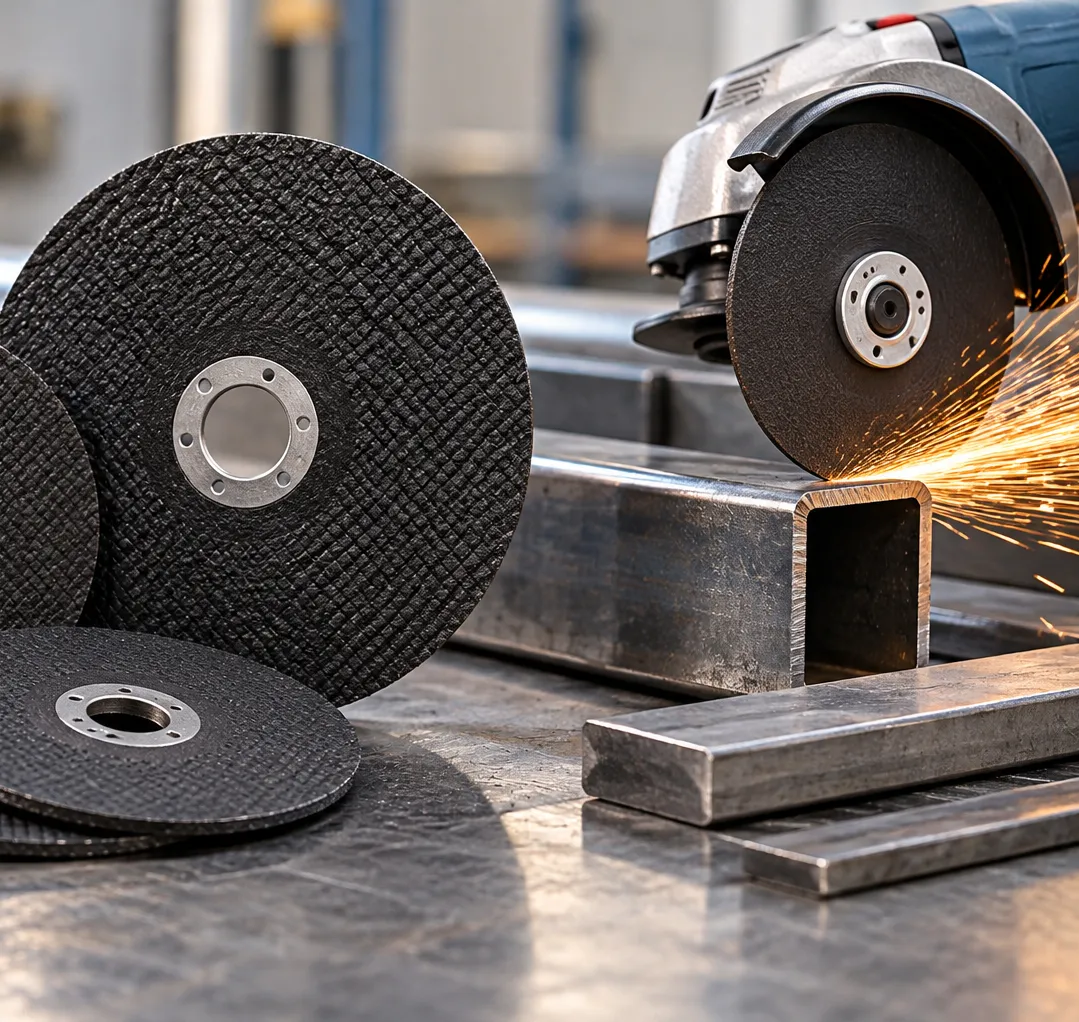
A cutting wheel may be small compared with the machine or fabricated structure being worked on, yet choosing the wrong disc can affect cutting performance, productivity and operator safety. Bosch Cutting Wheels are available for different cutting requirements, making specification checking important before a wheel is fitted to a machine.
Fabricators should avoid choosing a cutting wheel simply because its diameter appears suitable.
Start With the Material
The first question is what material needs to be cut.
A workshop may process mild steel, stainless steel or other metals during different jobs. Cutting wheels are designed for particular materials and applications, so users should verify the product marking and manufacturer guidance.
Using the appropriate wheel can support cleaner, more predictable cutting performance.
Check Wheel Dimensions
Diameter is only one specification.
Users should review factors such as:
- Wheel diameter
- Wheel thickness
- Bore size
- Intended material
- Maximum permitted speed
- Machine compatibility
- Product application
Thin cutting discs may be selected for particular cutting tasks, while other wheel types serve different purposes.
Never assume two wheels with similar appearances are interchangeable.
Speed Compatibility Is Essential
A cutting wheel has a stated maximum operating speed. The machine used with it must be compatible with the wheel's permitted rating.
This is not a specification to estimate.
Workshop teams should check the wheel markings and equipment information before use. A disc should never be operated above its stated maximum speed.
Inspect Before Fitting
Before mounting a wheel, examine it for visible damage.
Do not use a wheel that appears cracked, chipped or otherwise compromised. Storage and handling practices also matter because abrasive products can be damaged before they ever reach the machine.
The mounting system should be clean and suitable for the wheel.
Operators should also use the guard and other safety provisions specified for the machine.
Avoid Using a Cutting Disc for the Wrong Task
A cutting wheel is intended primarily for cutting.
Using a product for an application it was not designed to perform can create unnecessary risk and poor results. Users should choose an appropriate grinding product when the task requires grinding rather than improvising with a cutting disc.
The same principle applies throughout an abrasive inventory: match the consumable to its intended job.
Workshop Conditions Affect Selection
A fabrication company processing heavy sections throughout the day may have different requirements from a maintenance team making occasional cuts.
Procurement decisions should consider:
- Type of material processed
- Typical thickness
- Machine specifications
- Frequency of cutting
- Required cut characteristics
- Operator workflow
- Consumable usage
For businesses operating in Mumbai's extensive fabrication and engineering sector, maintaining suitable abrasive inventory can help reduce situations where workers use whatever wheel happens to be available.
Make Specification Checking Routine
Cutting wheel selection should not rely on packaging recognition alone.
Before using Bosch Cutting Wheels, confirm the product is intended for the material, machine and cutting application involved. Read the wheel markings, follow the manufacturer's instructions and replace questionable products rather than continuing to use damaged consumables.
For industrial workshops across Mumbai and Maharashtra, disciplined abrasive selection supports consistent fabrication work while helping teams maintain better control over equipment use.
Keywords