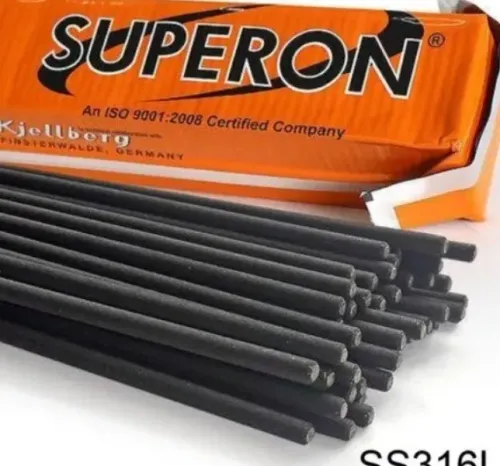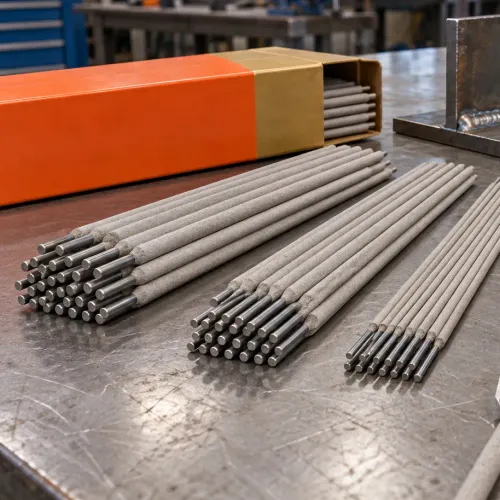
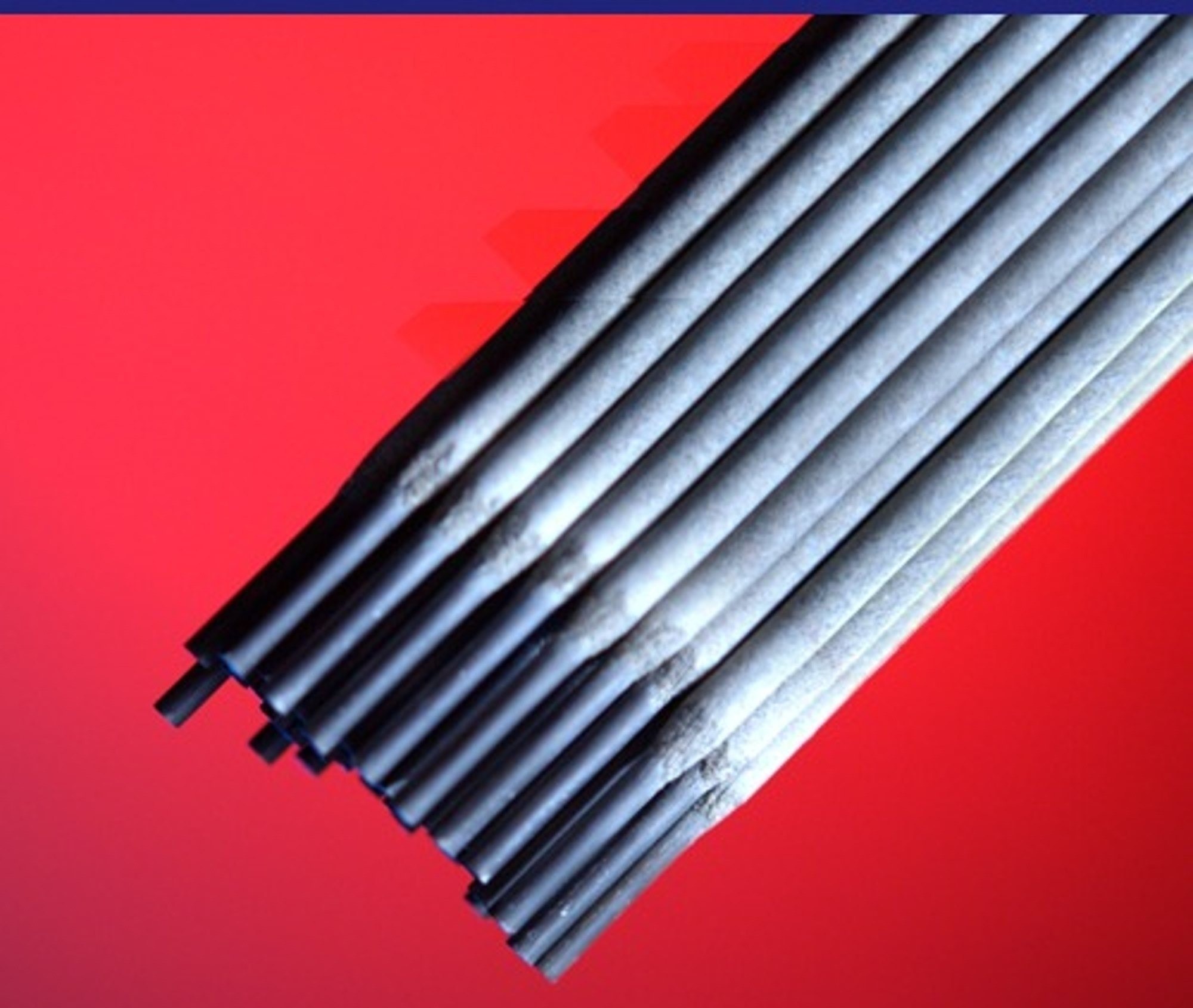
Low-hydrogen welding electrodes are commonly specified for applications where weld quality and hydrogen control require particular attention. Royal Therm E7018 5mm Low Hydrogen Electrodes represent a relatively large electrode size, making correct application, machine capability and storage important purchasing considerations.
A procurement team should confirm more than the E7018 label before ordering.
Why E7018 Requires Careful Handling
Low-hydrogen electrodes are selected for particular welding requirements, but their intended performance depends partly on proper storage and handling.
Exposure to moisture can compromise low-hydrogen control.
For this reason, workshops need procedures that reflect the electrode manufacturer's instructions as well as applicable welding specifications.
Purchasing suitable electrodes without having appropriate storage practices can undermine the purpose of selecting a low-hydrogen consumable.
Is 5mm the Right Diameter?
A 5mm electrode is not appropriate simply because the fabrication job involves steel.
Electrode diameter affects required current, deposition rate, weld-pool control and suitability for different welding positions.
Before ordering, consider:
- Base-metal thickness
- Joint preparation
- Welding position
- Available welding current
- Equipment duty capability
- Approved welding procedure
- Welder accessibility
For some applications, smaller diameters may be needed for root passes, positional work or particular joint conditions.
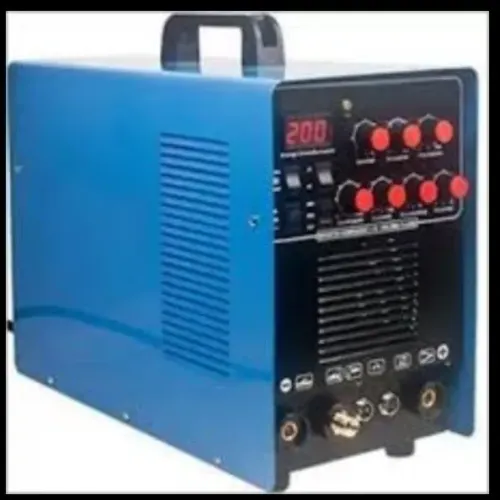
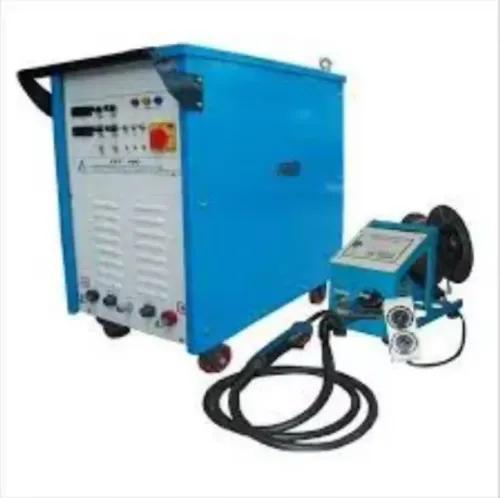
Check the Welding Machine
Larger-diameter electrodes can require substantial welding current.
The power source must be capable of providing the required output within the manufacturer's recommended operating range. Duty cycle also matters when electrodes will be used continuously in production.
A workshop should not select electrode diameter independently of the welding machine.
Storage Needs Planning
Low-hydrogen consumables should not be treated exactly like general-purpose electrodes.
The manufacturer's recommendations should be followed concerning storage, handling, exposure limits and any permitted reconditioning procedure.
Project-specific welding procedures may impose additional requirements.
This is especially relevant for fabrication businesses undertaking structural or engineered work where consumable control may be documented.
Review the Job Specification
The drawing, welding procedure specification or customer requirement may identify a precise consumable classification.
Do not substitute another electrode without appropriate technical approval.
Procurement personnel should communicate with welding supervisors when the requirement is unclear rather than making a decision based only on availability.
Calculate Quantity Realistically
Buying too little can interrupt production, while excessive stock can create storage challenges.
Estimate consumption using the volume of welding, project schedule, electrode diameter, expected wastage and existing inventory.
For regular production, purchasing records can help establish typical monthly consumption.
Supplier Communication Reduces Errors
Industrial buyers in Mumbai and Maharashtra frequently need welding consumables for fabrication, maintenance and manufacturing projects. Giving a supplier detailed information can reduce unnecessary back-and-forth.
When enquiring with Impex Engineering & Equipments Co about Royal Therm E7018 5mm Low Hydrogen Electrodes, useful details include required classification, diameter, quantity and application.
The final purchasing decision should align the consumable with the approved welding requirement, equipment capacity and storage practices rather than treating every E7018 electrode order as interchangeable.
Keywords