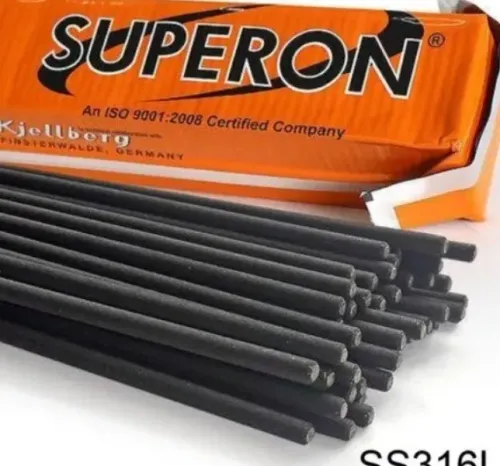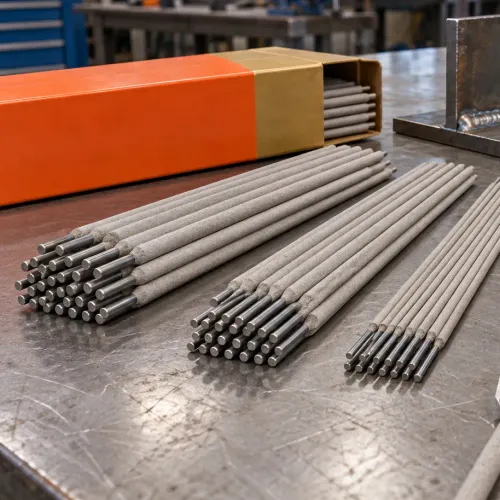
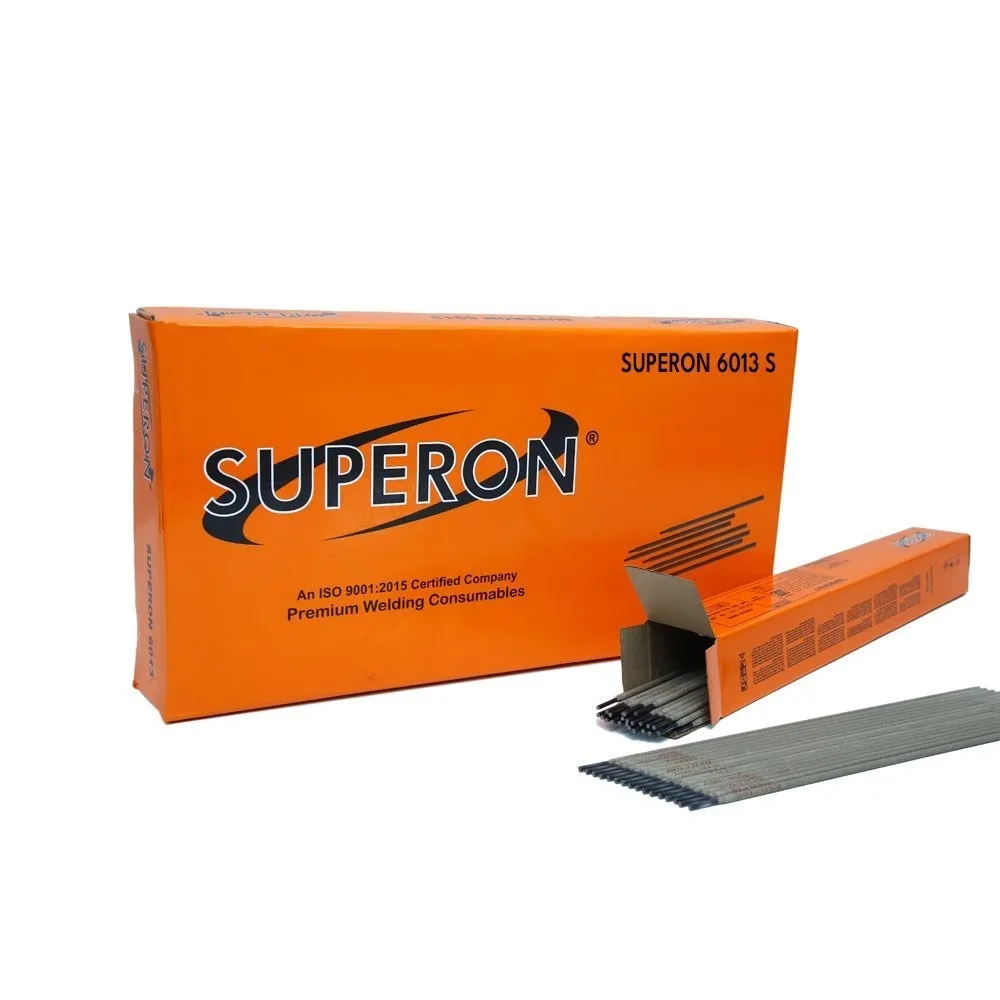
Manual metal arc welding remains widely used in fabrication, repair and maintenance because the equipment is relatively straightforward and electrodes can be selected for many different applications. Superon S6013 Carbon Steel Welding Electrodes fall within a commonly encountered electrode classification for general carbon-steel welding work.
Understanding the classification is more useful than choosing an electrode purely because its brand or box is familiar.
What Does E6013 Indicate?
AWS electrode classifications provide information about an electrode's intended characteristics.
Within E6013, the classification communicates defined information concerning tensile strength, welding positions and coating/current characteristics. Welders should still refer to the manufacturer's technical data for the exact product because operating recommendations can vary.
Knowing the classification helps workshops make a more informed initial selection.
Typical Fabrication Context
E6013-type electrodes are commonly associated with general fabrication and maintenance applications where the electrode characteristics suit the job requirements.
Potential workshop uses may include appropriate carbon-steel fabrication involving:
- Light structural work
- Frames
- General workshop fabrication
- Repair jobs
- Gates
- Brackets
- Selected sheet or plate work
- Non-critical fabricated assemblies
The suitability of any electrode still depends on base material, joint design, thickness, required mechanical properties and applicable welding procedure.
Electrode Diameter Matters
Choosing the classification is only part of electrode selection.
Diameter affects the welding current range and suitability for a particular joint. The correct diameter can depend on material thickness, welding position, joint preparation and equipment capability.
Using an unnecessarily large electrode on relatively thin material may make heat input more difficult to control. An electrode that is too small can also reduce productivity on heavier work.
Welding Current Requires Attention
Welders should operate within the range recommended for the selected product and diameter.
Current that is poorly matched to the electrode can contribute to arc instability, excessive spatter, poor bead appearance or other welding difficulties.
Experienced operators often adjust within the recommended range according to joint position and actual welding conditions rather than relying on one fixed setting for every job.
Storage Should Not Be Ignored
Electrodes are consumable products that need appropriate storage.
Exposure to unsuitable moisture conditions can affect electrode performance. Workshops should follow the manufacturer's storage recommendations and avoid leaving opened electrode packs exposed unnecessarily.
Inventory rotation is also useful, especially in facilities purchasing several electrode types.
Match the Electrode to the Welding Requirement
An E6013 electrode should not automatically be substituted where a welding procedure specifies another classification.
Engineering drawings, welding procedure specifications, client requirements and applicable codes may determine what consumable is acceptable.
This distinction becomes increasingly important when moving from general fabrication into critical structural, pressure-related or engineered welding.
For workshops in Mumbai and other industrial areas of Maharashtra, Superon S6013 Carbon Steel Welding Electrodes can form part of a broader consumable inventory. Selection should always begin with the actual welding requirement, followed by confirmation of classification, diameter, operating parameters and storage needs.
Keywords